
TMJ Treatment in Lewis Center, Ohio
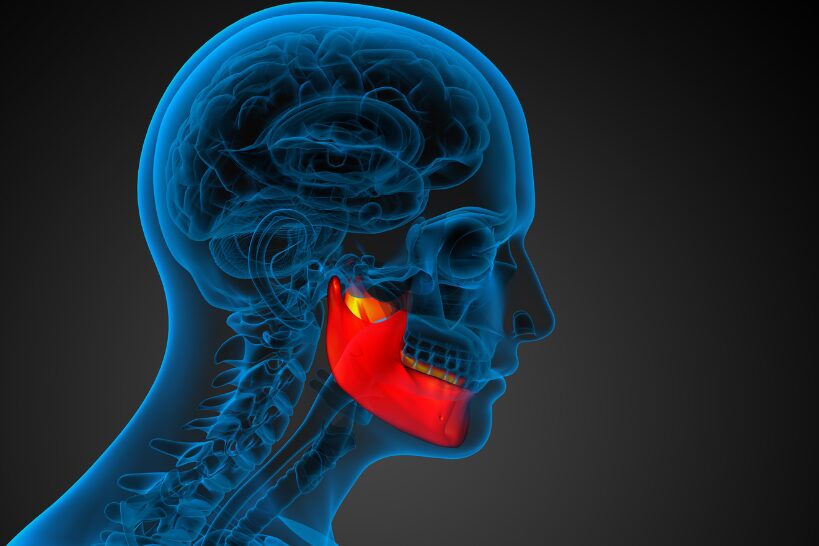
Waking up with a stiff jaw, persistent headaches, or a clicking jaw disrupts daily life for many in Lewis Center, Ohio. Often dismissed as stress, these symptoms frequently signal a complex dental issue requiring professional help.
Dr. Anthony Lordo and his team recognize that jaw pain is an exhausting condition affecting eating, speaking, and sleeping. Fortunately, they offer effective solutions that address the root cause, providing long-lasting relief and restoring oral harmony.

Recognizing the Signs of TMD
Knowing the symptoms is vital for early intervention. Patients should be mindful of the following indicators:
- Jaw Pain and Tenderness: Persistent soreness in the jaw joint or the muscles used for chewing.
- Radiating Pain: Discomfort that spreads to the face, neck, or shoulders, often feeling like deep muscle tension.
- Limited Movement: Difficulty opening the mouth wide, or the experience of the jaw getting “stuck” or “locked” in an open or closed position.
- Audible Sounds: Clicking, popping, or grating sounds in the jaw joint when opening the mouth or chewing.
- Chronic Headaches and Migraines: Frequent tension headaches, particularly upon waking, are a hallmark sign of nighttime clenching.
- Ear Symptoms: Aches in and around the ear, or ringing in the ears (tinnitus), often mistaken for an ear infection.
The Causes of Jaw Dysfunction
TMD often results from a combination of factors stressing the jaw joint. A primary cause is teeth clenching or grinding (bruxism) during sleep, which inflames the TMJ and fatigues muscles. Stress also contributes by causing subconscious jaw tightening. Misaligned teeth or jaws (malocclusion) force muscles to overcompensate. Other causes include arthritis or direct jaw injury, which can damage the joint’s cartilage or disc.
How Dr. Lordo Approaches Treatment
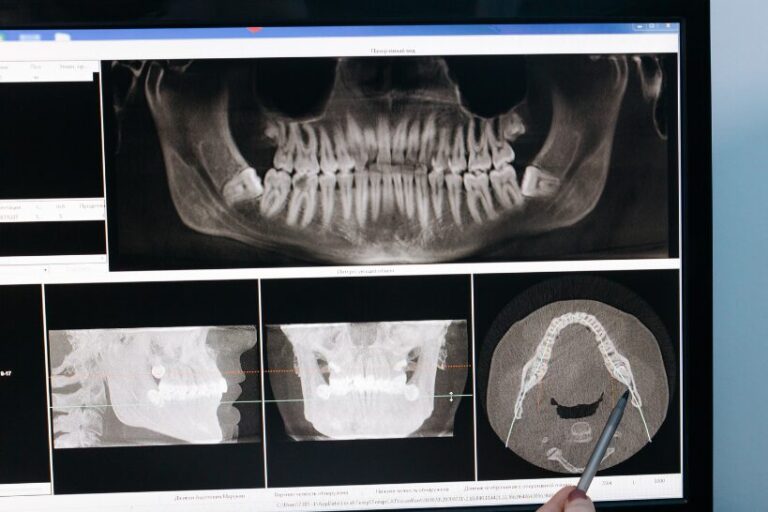
Dr. Lordo utilizes advanced diagnostic techniques to pinpoint the exact source of the dysfunction. No two cases of TMD are identical; therefore, no two treatment plans are the same.
The goal of treatment is to reduce discomfort, restore function, and prevent further damage to the teeth and joints. For many patients, non-invasive therapies are highly effective.
Custom Oral Appliances
One of the most common and effective treatments involves the use of a custom-fitted night guard or splint. Unlike over-the-counter options, these are precision-engineered by the dentist to fit the patient’s unique bite. These appliances provide a barrier that prevents tooth wear from grinding while simultaneously repositioning the jaw to a neutral, stress-free position. This allows the overworked muscles to relax during sleep.
Bite Correction
If the issue stems from an improper bite, Dr. Lordo may recommend restorative procedures to balance the surfaces of the teeth. By making sure the teeth meet evenly during chewing and resting, the strain is removed from the TMJ, allowing inflammation to subside.
Depending on the severity of your TMJ pain, we may also recommend simple physical therapy options to strengthen supporting muscles, improve range of motion, and release tension that contributes to pain.
The Benefits of Professional Intervention
Seeking professional care for jaw pain is about more than just symptom relief; it is about reclaiming a pain-free life. Ignoring the signs of TMD can lead to accelerated tooth wear, broken teeth, and chronic pain that becomes increasingly difficult to manage.
When patients choose to partner with Dr. Lordo for their care, they can expect:
- Reduced Pain: A significant decrease in the frequency and intensity of headaches and jaw soreness.
- Protection of Teeth: Prevention of fractures and enamel wear caused by unchecked grinding.
- Improved Sleep Quality: Without the subconscious strain of clenching, many patients report more restful sleep.
- Restored Function: The ability to eat favorite foods without fear of pain or locking joints.
- Holistic Wellness: A reduction in neck and shoulder tension, contributing to better overall physical well-being.
Taking the Next Step in Lewis Center, Ohio
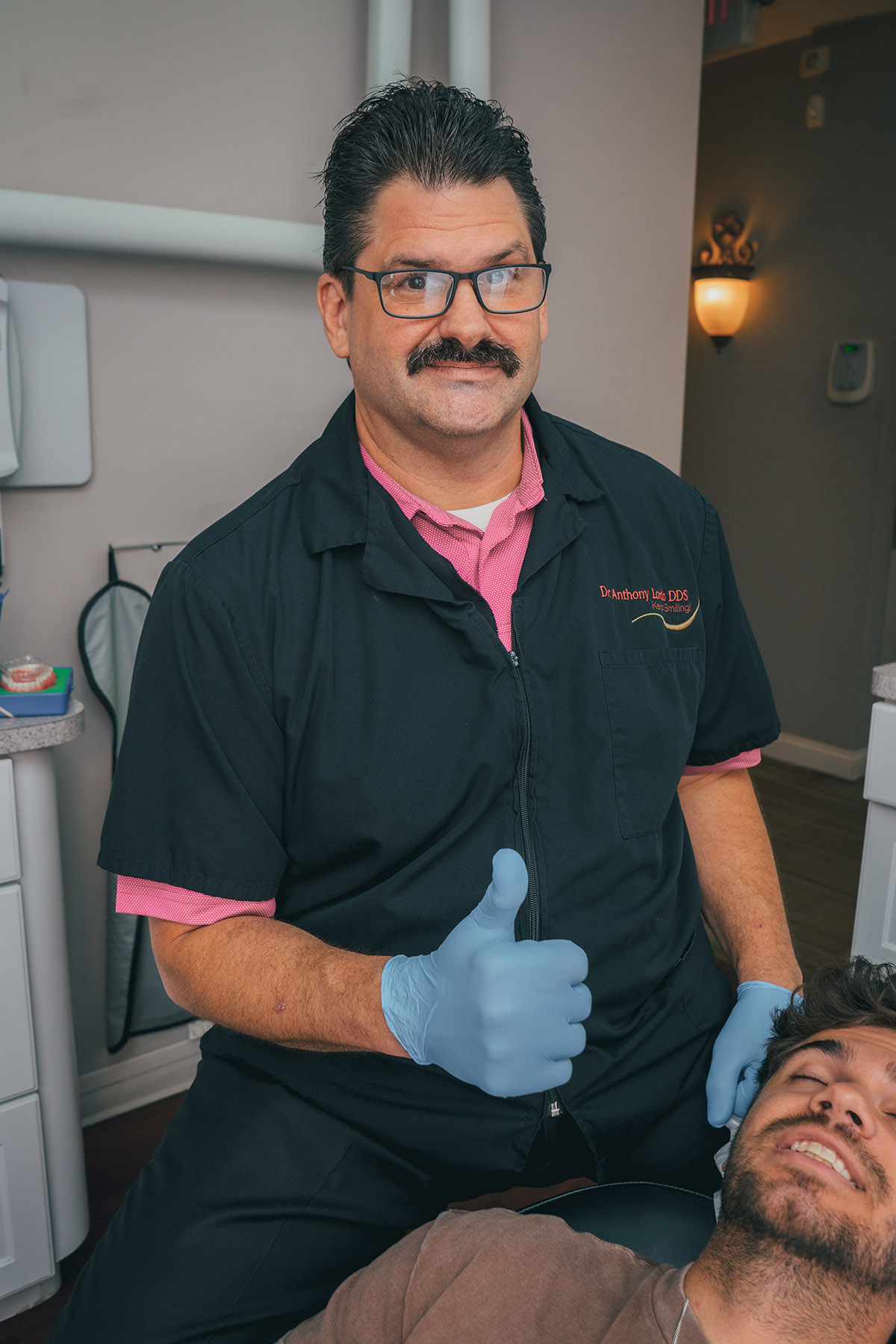
Living with chronic pain is isolating, but Dr. Lordo’s team offers relief. They provide a welcoming, safe environment combining clinical excellence with compassion, ensuring Lewis Center residents have access to top-tier dental health solutions.
Stop enduring migraines or jaw tension; addressing TMJ health protects your smile and improves life quality. The clearest path to recovery is a professional consultation.
Contact Dr. Lordo’s office today to schedule personalized TMJ treatment in Lewis Center, Ohio, and find lasting relief.